How Google’s Willow Chip Solved a 30-Year-Old Problem and Changed Quantum Computing Forever
The Quantum Computing Challenge Nobody Could Crack
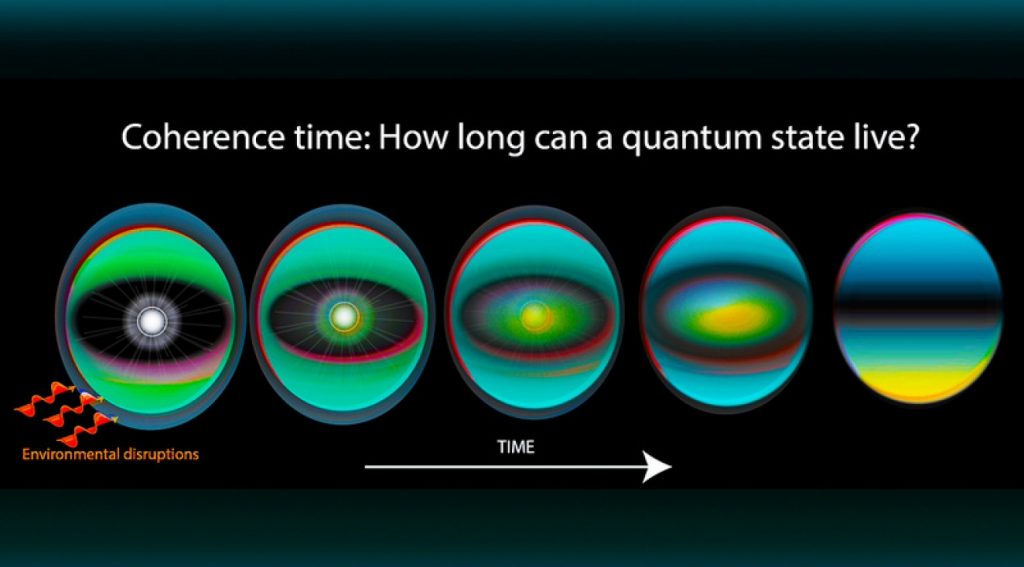
For decades, quantum computing has promised to revolutionize everything from drug discovery to cryptography. But one stubborn problem stood in the way of all practical progress:
Quantum decoherence
Unlike classical computers, which use stable bits (0 or 1), quantum computers rely on qubits that exist in fragile superposition states simultaneously 0 and 1.
The problem?
Qubits are extremely sensitive. Heat, electromagnetic noise, cosmic rays even microscopic vibrations can collapse their quantum state and introduce errors.
For nearly 30 years, physicists faced a brutal paradox:
Adding more qubits increased computational power – but multiplied errors even faster.
It was like trying to build a skyscraper where every new floor makes the foundation less stable.
The Theoretical Foundation: Surface Code Error Correction
The escape route was proposed in 1995 by Peter Shor the same mathematician behind Shor’s algorithm, which famously threatens modern cryptography.
Shor introduced a radical idea:
Quantum Error Correction (QEC)
Instead of trusting a single fragile qubit, encode one “logical qubit” across many physical qubits arranged in a structured pattern. Errors could then be detected and corrected continuously without destroying the quantum state.
This approach led to surface codes, where:
- Qubits are arranged in 2D grids
- Neighboring qubits constantly check each other
- Errors are inferred statistically (not measured directly)
The Threshold Theorem
If the error rate per physical qubit drops below a critical threshold, adding more qubits will reduce total error instead of increasing it.
This was a stunning theoretical result.
December 2024: Theory Becomes Reality
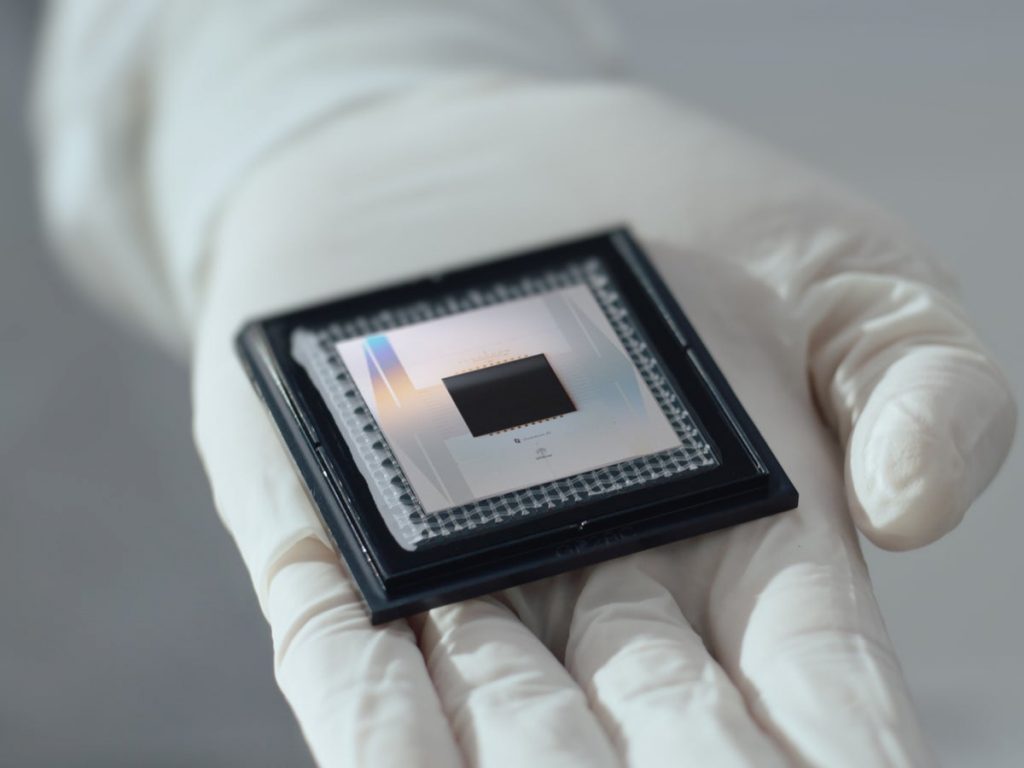
In December 2024, Google Quantum AI announced something extraordinary:
The Willow Chip
A 105-qubit superconducting processor that finally achieved below-threshold quantum error correction exactly as predicted nearly 30 years earlier.
What Willow Actually Proved
| Metric | Previous Best | Willow Achievement |
|---|---|---|
| Error behavior | Errors increased with scale | Errors decreased by 50% per grid expansion |
| Logical qubit fidelity | ~99% | 99.7% |
| Benchmark computation | Minutes → hours | Under 5 minutes |
| Classical equivalent | Feasible | ~10 septillion years |
The Key Experiment
Google tested increasingly larger surface-code grids:
- 3 × 3 grid → baseline error rate
- 5 × 5 grid → errors cut in half
- 7 × 7 grid → errors halved again
Why This Matters: Real-World Applications Are Emerging
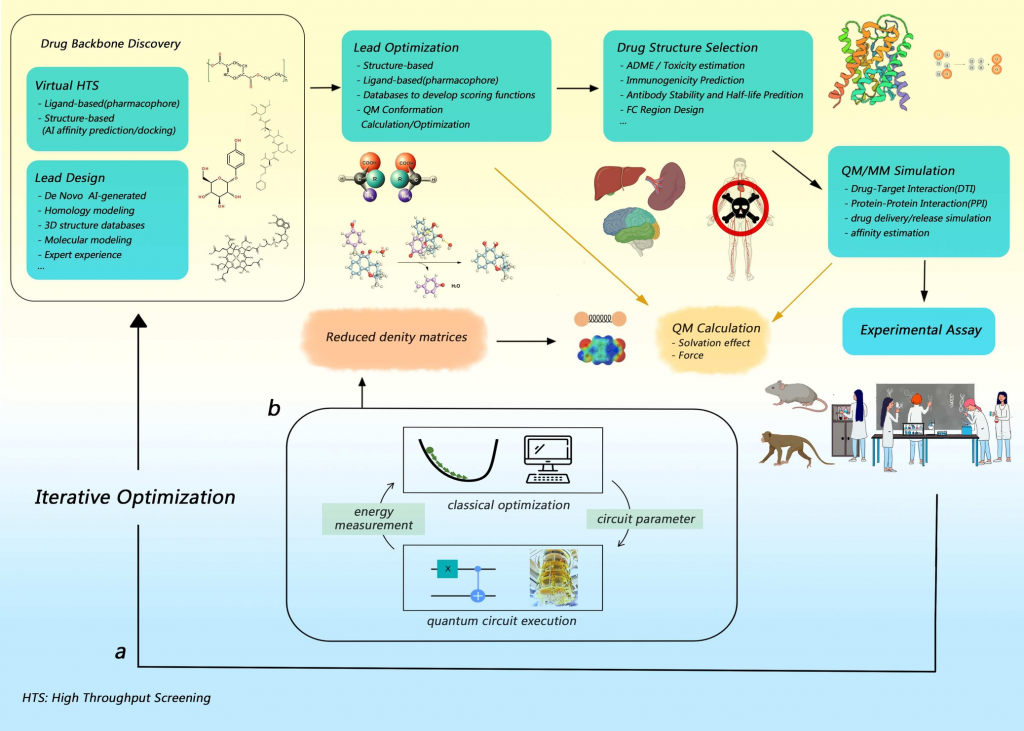
1. Drug Discovery & Molecular Simulation
Quantum computers can simulate quantum chemistry directly, something classical computers approximate poorly for large molecules.
Proven progress:
- University of Melbourne performed quantum simulations of biological systems involving hundreds of thousands of atoms
- AstraZeneca, IonQ, and Amazon Web Services demonstrated quantum-accelerated chemical reaction workflows
- McKinsey & Company estimates $200–500B in life-science value by 2035
2. Financial Optimization
- HSBC used IBM quantum systems to improve bond-trading predictions by 34% compared to classical models
3. Manufacturing & Logistics
- Ford Motor Company reduced scheduling optimization from 30 minutes to under 5 minutes using quantum techniques
2 responses to “Quantum Error Correction: The Theoretical Breakthrough That’s Finally Becoming Reality”
Start sharing, start earning—become our affiliate today!
Share our products, earn up to 40% per sale—apply today!