
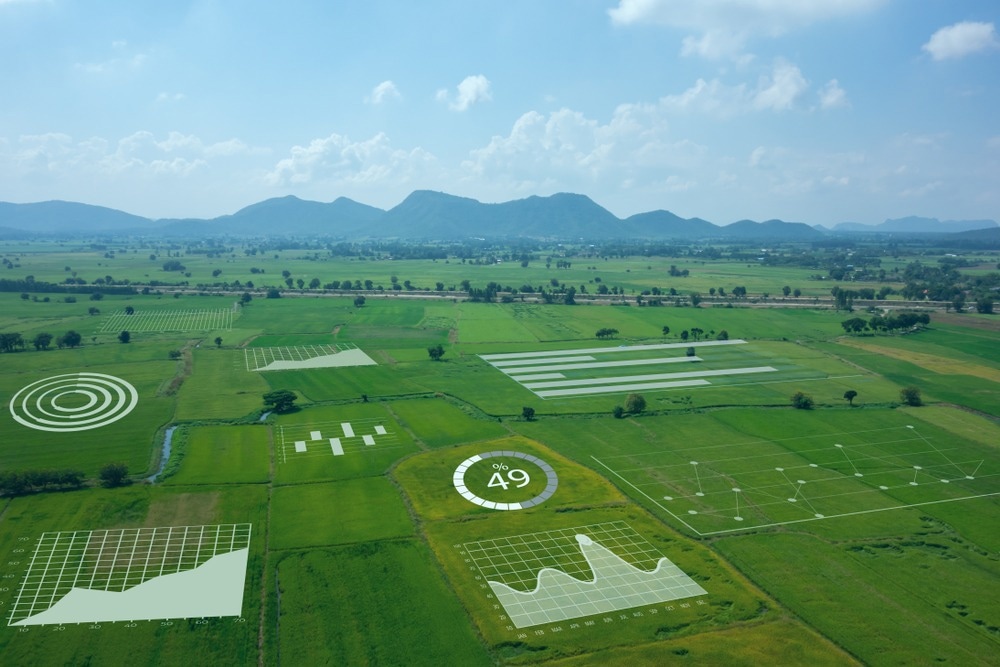
What Is Quantum Agriculture?
Quantum Agriculture refers to the application of quantum computing and quantum-inspired algorithms to agricultural systems such as:
- Greenhouse climate control
- Irrigation scheduling
- Fertilizer and nutrient optimization
- Energy management
- Crop yield prediction
- Supply-chain logistics
Agriculture is full of interconnected variables like temperature, humidity, CO₂, soil moisture, light, energy prices, crop growth stages. All influencing each other. Optimizing these together is mathematically complex, making it a perfect candidate for quantum methods.
Why Classical Computing Isn’t Enough
Modern farms already use AI, sensors, and automation. So why do we need quantum computing?
Because many agricultural problems are:
- Combinatorial (millions of possible decisions)
- Dynamic (conditions change every minute)
- Multi-objective (cost, yield, sustainability, emissions)
- Non-linear (small changes cause big effects)
Example: What is the optimal greenhouse temperature, CO₂ level, lighting schedule, and irrigation plan for the next 48 hours given weather forecasts, energy prices, crop physiology, and sustainability constraints?
A classical computer must try countless combinations.
A quantum computer explores many possibilities simultaneously, dramatically improving solution quality and speed.
Optimizing Water Use with Quantum Computing
Water scarcity is a critical global issue. Agriculture consumes nearly 70% of freshwater worldwide.
How Quantum Helps:
- Optimizes irrigation schedules across fields or greenhouses
- Balances crop water demand vs. weather forecasts
- Minimizes evaporation and runoff
- Coordinates irrigation with energy availability (solar/wind)
Quantum algorithms can determine:
- When to irrigate
- How much water to apply
- Which zones need priority
Energy-Efficient & Climate-Smart Greenhouses
Greenhouses are energy-intensive systems with heating, cooling, lighting, and CO₂ enrichment.
Quantum-Driven Climate Optimization:
- Reduces energy consumption without harming crop growth
- Schedules heating and lighting during low-cost energy periods
- Integrates renewable energy sources
- Maintains ideal microclimates for plants
Quantum models evaluate thousands of climate strategies at once and select the most cost-efficient and sustainable option.
Sustainability & Carbon Reduction
Quantum Agriculture directly supports climate goals by:
- Reducing CO₂ emissions from heating and electricity
- Minimizing fertilizer overuse (less soil & water pollution)
- Lowering energy costs and carbon footprint
- Supporting EU ETS and sustainability compliance
Quantum optimization enables data-driven sustainability, not guesswork.
The Future of Farming Is Smarter
Quantum Agriculture represents a shift from reactive farming to predictive and optimized farming.
It empowers farmers with:
- Better decisions
- Lower costs
- Higher yields
- Reduced environmental impact
As quantum technology matures, its role in agriculture will grow – helping feed the world more intelligently and sustainably.